The roof stands as perhaps the most critical protective element of any building, shielding occupants and possessions from rain, snow, wind, and the relentless effects of sun exposure. Despite this vital function, roofs often receive little attention until problems emerge, at which point property owners suddenly face urgent decisions about repairs or replacement.
Roofing Contractors In Montana specialize in installing, maintaining, and repairing these essential structures, bringing expertise that transforms what could be overwhelming projects into manageable undertakings. Understanding what roofing contractors do, how they operate, and why their skills matter helps property owners make informed decisions when roofing work becomes necessary.
The Comprehensive Services Roofing Contractors Provide
Roofing contractors offer far more than simply nailing shingles to roof decks. Their services encompass a complete range of roofing needs from initial assessment through final cleanup. When property owners contact roofing contractors, the process typically begins with a thorough inspection to evaluate existing roof conditions, identify problems, and determine whether repair or replacement makes the most sense given the roof’s age, damage extent, and overall condition.
This assessment involves examining not just the visible roofing material but also the underlying structure, checking for signs of water damage, rot, or deterioration in decking and framing. Contractors look for proper ventilation, adequate insulation, and correct flashing installation around chimneys, vents, and other roof penetrations. They evaluate drainage patterns to ensure water flows away from vulnerable areas rather than pooling where it can cause damage. This comprehensive approach identifies both obvious problems and potential issues that might not yet be visible from ground level.
Beyond inspections, roofing contractors handle all aspects of roof installation and replacement. They obtain necessary permits, order appropriate materials, schedule work crews, and coordinate the numerous tasks required to strip old roofing, prepare the deck, install new materials, and clean up thoroughly when work concludes. They also perform targeted repairs when full replacement is not yet necessary, extending roof life and protecting property owners from water damage while deferring the larger expense of complete replacement.
Many roofing contractors also offer maintenance services including regular inspections, gutter cleaning, and minor repairs that prevent small problems from becoming major headaches. These preventive services help property owners maximize roof lifespan and avoid unexpected failures that demand emergency response.
Material Knowledge and Selection Guidance
Modern roofing encompasses numerous material options, each with distinct characteristics, costs, lifespans, and aesthetic qualities. Roofing contractors maintain current knowledge about available materials and can guide property owners through selection processes that balance budget, performance expectations, architectural style, and local climate conditions.
Traditional asphalt shingles remain the most common residential roofing material due to their reasonable cost, relatively easy installation, and adequate performance in most climates. However, even within this category, significant variations exist between basic three-tab shingles and heavier architectural styles that offer enhanced durability and more attractive appearance. Contractors help property owners understand these differences and choose options that align with their priorities and budgets.
Metal roofing has gained popularity for both residential and commercial applications, offering exceptional longevity, fire resistance, and energy efficiency. Installation requires specialized knowledge and techniques quite different from shingle application, and experienced metal roofing contractors understand the details that determine whether metal roofs perform as promised or develop problems with leaks or noise.
Tile and slate represent premium roofing options with lifespans measured in decades or even centuries when properly installed and maintained. These materials demand specialized installation expertise because their weight requires adequate structural support and their brittleness means improper handling leads to breakage and waste. Contractors experienced with these materials understand both the structural requirements and the careful techniques needed to create beautiful, durable installations.
Flat or low-slope roofing systems used on many commercial buildings and some residential applications involve completely different materials and methods than pitched roofs. These systems might use modified bitumen, single-ply membranes, or built-up roofing, each requiring specific installation expertise. Contractors specializing in commercial roofing understand these systems and the critical importance of proper drainage and weatherproofing on roofs where water cannot simply run off quickly.
The Installation Process and Quality Standards
Professional roof installation follows systematic processes designed to ensure lasting performance and weather protection. Work begins with protecting the property, covering landscaping and outdoor furniture, and setting up equipment safely. Removal of existing roofing generates considerable debris, and contractors use tarps, magnetic tools, and thorough cleanup procedures to prevent nails and shingle fragments from damaging property or creating hazards.
After removing old materials, contractors inspect and repair roof decking as needed, replacing any damaged or rotted sections before new roofing is installed. This step proves critical because even the best roofing materials fail if applied over compromised decking. They also address ventilation issues, ensuring adequate airflow that prevents moisture buildup and extends roof life.
Underlayment installation provides an additional weather barrier beneath finish roofing materials. Modern synthetic underlayments offer superior protection compared to traditional felt paper, and proper installation with appropriate overlap and fastening protects against wind-driven rain and ice damming. Ridge vents, intake vents, and proper attic ventilation receive attention during installation to create balanced air circulation that moderates attic temperatures and prevents moisture problems.
Finish roofing installation demands precision and adherence to manufacturer specifications. Shingles must be aligned properly, nailed correctly with appropriate nail placement and penetration depth, and installed with proper exposure. Flashing around chimneys, skylights, vents, and valleys requires careful fabrication and installation to direct water away from vulnerable penetrations. These details determine whether roofs last their expected lifespan or develop premature failures requiring costly repairs.
Quality contractors stand behind their work with warranties covering both materials and workmanship. Material warranties come from manufacturers, but workmanship warranties represent the contractor’s commitment to quality installation. The best contractors offer substantial workmanship warranties because they’re confident their installation methods will prevent problems.
Safety Practices and Insurance Protection
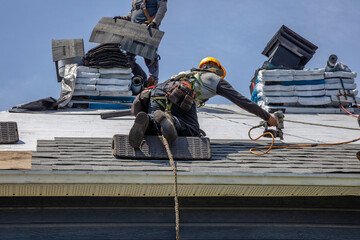
Roofing ranks among the most dangerous construction trades, with falls representing constant hazards and weather creating additional risks. Professional roofing contractors implement comprehensive safety programs including proper equipment, training, and procedures that protect workers while maintaining productivity. They use fall protection systems, maintain equipment properly, and follow protocols that minimize accident risks.
Insurance coverage represents another critical consideration when hiring roofing contractors. Legitimate contractors carry both liability insurance and workers compensation coverage protecting property owners from financial responsibility if accidents occur or work damages property. Uninsured contractors might offer attractive pricing, but property owners who hire them assume enormous liability if workers are injured or property damage occurs during roofing work.
Verifying insurance coverage before work begins protects property owners from potentially devastating financial consequences. Reputable contractors readily provide certificates of insurance and welcome verification that coverage remains current and adequate. Reluctance to provide insurance documentation should raise immediate concerns about contractor legitimacy and professionalism.
Evaluating Contractors and Making Informed Choices
Selecting the right roofing contractor requires careful evaluation going beyond simply choosing the lowest bid. Experience matters significantly in roofing, where installation quality directly impacts performance and longevity. Contractors with established track records and solid reputations have more at stake and greater motivation to deliver quality work than fly-by-night operators who might disappear after collecting payment.
References from previous customers provide valuable insights into contractor reliability, work quality, and professionalism. Talking with homeowners about their experiences reveals information that never appears in advertisements or sales presentations. Driving by completed projects allows assessment of workmanship quality and attention to detail visible in finished installations.
Written estimates and contracts protect both parties by establishing clear expectations about scope of work, materials, timelines, payment schedules, and warranty coverage. Verbal agreements and vague understandings create opportunities for misunderstandings and disputes. Detailed written contracts eliminate ambiguity and provide recourse if problems arise.
Licensing requirements for roofing contractors vary by jurisdiction, but where licenses are required, verification ensures contractors meet minimum competency standards and maintain required insurance coverage. Professional associations and certifications from material manufacturers indicate contractors have invested in training and demonstrated expertise in their field.
Final Thoughts
Roofing contractors provide essential services that protect property investments and ensure buildings remain weathertight and functional. Their expertise encompasses far more than physical installation work, including material knowledge, structural assessment, code compliance, and project management skills that coordinate complex jobs involving multiple workers and numerous tasks. While roofing represents a significant investment, the alternative of inadequate protection against weather exposes properties to damage that far exceeds the cost of quality roofing work. Choosing experienced, reputable roofing contractors and investing in proper installation delivers returns measured in decades of reliable performance and peace of mind that comes from knowing your roof will protect what matters most regardless of what weather brings.