Regular maintenance can prevent many HVAC emergencies from occurring. However, some issues cannot be prevented and require immediate attention.
HVAC Emergency situations can include anything from total system failure to dangerous gas leaks. It’s important that your team understands what constitutes an HVAC emergency and has a clear dispatching protocol in place.
1. Furnace or Heat Pump Stops Working
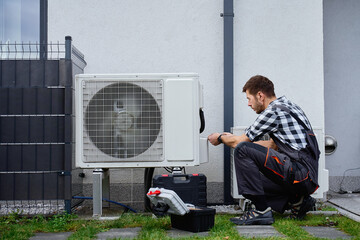
If your heating system stops working, it’s time to call for emergency heating repair. Even the most reliable, energy-efficient systems suffer from occasional mechanical problems that can’t always wait until regular business hours. Recognizing these issues quickly and calling for repairs protects your Bainbridge Island, WA, home, your family, and your heating investment.
A faulty thermostat is often the cause of a furnace or heat pump not turning on. If you’ve checked the thermostat settings, replaced the air filter, cleared the outdoor unit of debris, and reset any tripped breakers, but your system still isn’t starting, it’s time to call an HVAC professional.
An extinguished pilot light may be a sign of a serious problem, such as a cracked hot surface ignitor element. This delicate component lights the fuel inside your furnace to combust and produce heat, so it’s very important that it works properly. If drafts or ground movement have dislodged or knocked the pilot light, follow the instructions in your owner’s manual to relight it.
Low refrigerant is another common reason that a heat pump or furnace won’t start. Low refrigerant almost always indicates a leak that requires the help of an HVAC technician who can safely handle the refrigerant and locate and repair it.
Other signs that your heating system is in need of a professional include dirty ignition and damper problems. Insufficient airflow through return vents or a closed gas valve can interfere with your system’s ability to run, while damper louvers that are stuck restrict airflow to specific rooms in your home. If you suspect these problems, it’s best to call a professional for a diagnosis and repair.
If your heat pump or furnace isn’t producing heat, check to make sure the breaker box switch is on. If it’s flipped to the “Off” position, flip it to “On” and listen for a clear click. Repeatedly forcing a tripped breaker to turn on can create dangerous electrical problems, so don’t keep trying. Instead, try using the backup plan that comes with your system – emergency heat. It’s less energy-efficient than your normal system, but it should get the job done in a pinch.
2. Electrical Issues
Generally speaking, only certain types of HVAC emergencies warrant calling an emergency service provider. This includes any situations that put the health, safety and welfare of occupants at risk, such as a gas leak or electrical fire. These situations require immediate professional assistance to identify the problem and make necessary repairs. Attempting to resolve the issue on your own can lead to more damage and increase costs.
The earliest and most critical sign that your HVAC system is in need of an emergency repair is a burning smell or smoke coming from your unit. This typically indicates overheated wiring or a blower motor problem that could lead to an electrical fire. Other early warning signs include tripping circuit breakers, electrical sparks and buzzing sounds from the system. If you notice any of these symptoms, turn off the HVAC immediately at the thermostat and shut off power at the breaker box.
Other serious HVAC emergencies include no heat during freezing temperatures, which can lead to hypothermia in elderly or ill occupants. If you notice a puddle of water under or around the unit, this is also a sign of an impending electrical or plumbing disaster that requires immediate attention.
If you notice a rotten egg smell, it may indicate a natural gas leak. If this occurs, evacuate the area and call emergency services immediately. The gas company will turn off your gas supply and take other steps to ensure your safety. The smell is caused by a chemical called mercaptan, which is added to the gas to make it more easily detectable.
3. Gas Leaks
Several factors can transform an HVAC problem into a critical system emergency. These include electrical issues, refrigerant leaks, and critical component failures. Understanding these warning signs can help property owners identify potential HVAC emergencies before they become dangerous or costly.
Before calling for an HVAC professional, it’s important to assess the situation. If there’s a burning smell, visible smoke or sparks, or a sudden drop in system performance, it’s likely an emergency situation. Other warning signs to look out for include carbon monoxide alarm activation, odors of gas or chemicals, or any unusual noises.
If you notice these symptoms, shut off your system at the thermostat and at the breaker box to prevent further damage. If you have a natural gas system, turn off the gas supply valve near the furnace and evacuate the area. Call your utility company from a safe location outside to report the problem and request assistance. Carbon monoxide and gas leaks are serious, life-threatening threats. A carbon monoxide detector may sound a loud, shrill alarm or produce a red light. If you have a carbon monoxide detector in your home, it’s recommended that you keep it properly calibrated and replaced every three months.
A gas leak is an unintentional release of a hazardous substance into an environment where it can negatively impact human health and property. It’s a common cause of catastrophic natural disasters that can be caused by accidents, explosions, corrosion, and aging pipelines.
In most cases, a gas leak is an HVAC emergency that requires immediate attention. If you notice the rotten egg odor of methane or other gases, evacuate your home and call emergency services immediately.
When choosing an emergency HVAC service provider, look for one with certified technicians, 24/7 availability, clear pricing and customer reviews. Also, consider whether they have after-hours or emergency rates and a warranty on their repair work. Finally, choose a service provider that has a good track record of quickly resolving HVAC emergencies. This will protect your comfort, safety and long-term investment. A comprehensive maintenance plan can help reduce HVAC emergencies by addressing common problems before they escalate.
4. Frozen System
While some HVAC issues can be resolved with preventative maintenance, other scenarios require immediate professional intervention. These critical situations include complete system failure during extreme temperatures, electrical problems posing fire hazards, gas leaks, or refrigerant loss that threatens indoor air quality and occupant safety. Unlike regular system malfunctions, these emergency issues warrant priority scheduling to ensure prompt resolution. Understanding these red flags empowers property owners to assess the severity of HVAC emergencies, enabling them to make informed decisions that protect comfort, health, and long-term system investment.
The first step in handling HVAC emergencies is always to keep yourself and others safe. If you notice odors of burning, smoke, or electrical hazards, turn off the system immediately at the thermostat or circuit breaker. If you experience a sudden increase in energy bills, or your system runs nonstop, it indicates a deeper mechanical problem and could lead to overheating, icing, or catastrophic compressor failure. It’s also important to check your filters regularly and replace them if necessary to maintain strong airflow and reduce system strain.
When choosing an emergency HVAC service provider, it’s crucial to choose one with a solid track record for reliable repair and responsive customer care. In addition to providing top-notch repairs, they should also offer transparent pricing structures and flexible financing options that help homeowners manage unexpected costs. A reliable emergency service provider understands that these high-stakes scenarios require a fast, targeted response to minimize damage and restore system functionality.
Beware of HVAC contractors who offer to solve your problem over the phone without assessing the condition of your system. This is a sign of poor workmanship and may lead to further damage to your system. If you’re experiencing a heating or cooling emergency, use space heaters safely in single rooms to provide temporary relief while you wait for professional assistance. Invest in an affordable HVAC maintenance plan to prevent problems from occurring in the first place. The right professional partner will be able to spot warning signs and address them before they escalate into emergencies, saving you money and stress in the long run.